 DEGREASE
The risk isn't
hypothetical.
Every kitchen that skips certified cleaning is one service rush away from a grease fire that insurance won't cover and inspectors won't overlook.
of all restaurant fires trace back to cooking equipment
NFPA Annual Fire StatisticsMaximum grease depth before NFPA 96 mandates immediate shutdown
That's thinner than a credit card edgeMaximum fine per violation for non-certified exhaust systems
Plus potential forced closureInsurance Won't Pay Without It
If you can't prove certified cleaning with dated documentation, your insurer can deny the entire claim. A kitchen fire without compliant hood records isn't just a fire — it's a total loss.
Commercial kitchen fires in the US every year
Many preventable with quarterly cleaningGrease Is the Accelerant You Can't See
Grease-laden vapors rise during every cooking service, settling deep into ducts, fans, and plenums. What looks clean at eye level may be months of carbonized fuel waiting for a spark.
Grease layer thickness triggering NFPA mandatory cleaning
50 micrometers — invisible to the naked eyeMechanical. Methodical.
Not a guy with a spray bottle.
Six phases. Every system. Tap any card to see what we find — and what we leave behind.
Inspection
Every inch measured.
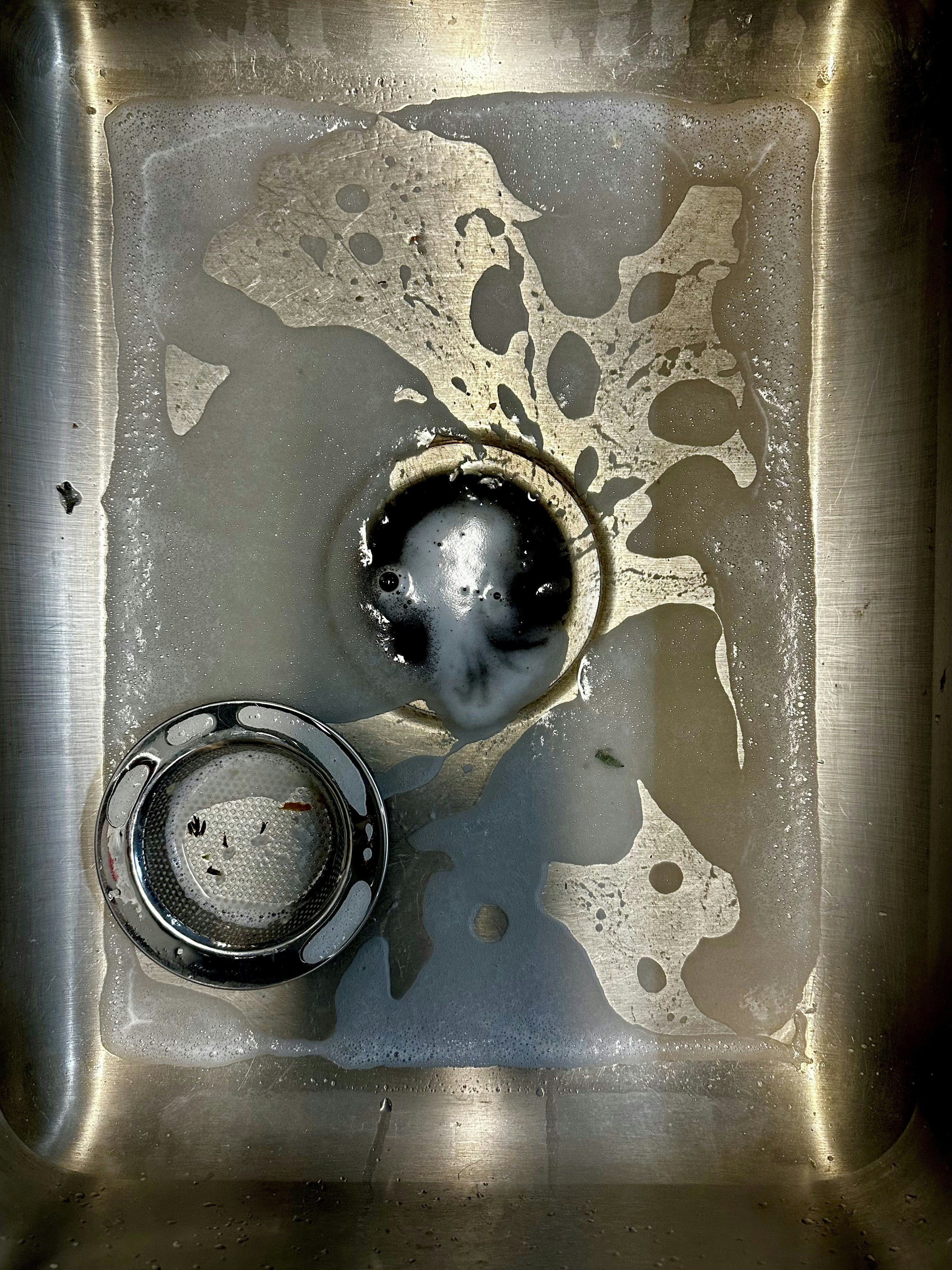
We deploy a depth gauge tool through the entire exhaust highway — hood, filters, ducts, and plenum — mapping grease accumulation against NFPA 96 thresholds before a single tool is unpacked.
What We Find
Grease deposits averaging 3–12mm in untreated ducts. Blocked suppression nozzles. Filter troughs overflowing. Most kitchens haven't had a compliant inspection in 18+ months.
Disassembly
Down to components.
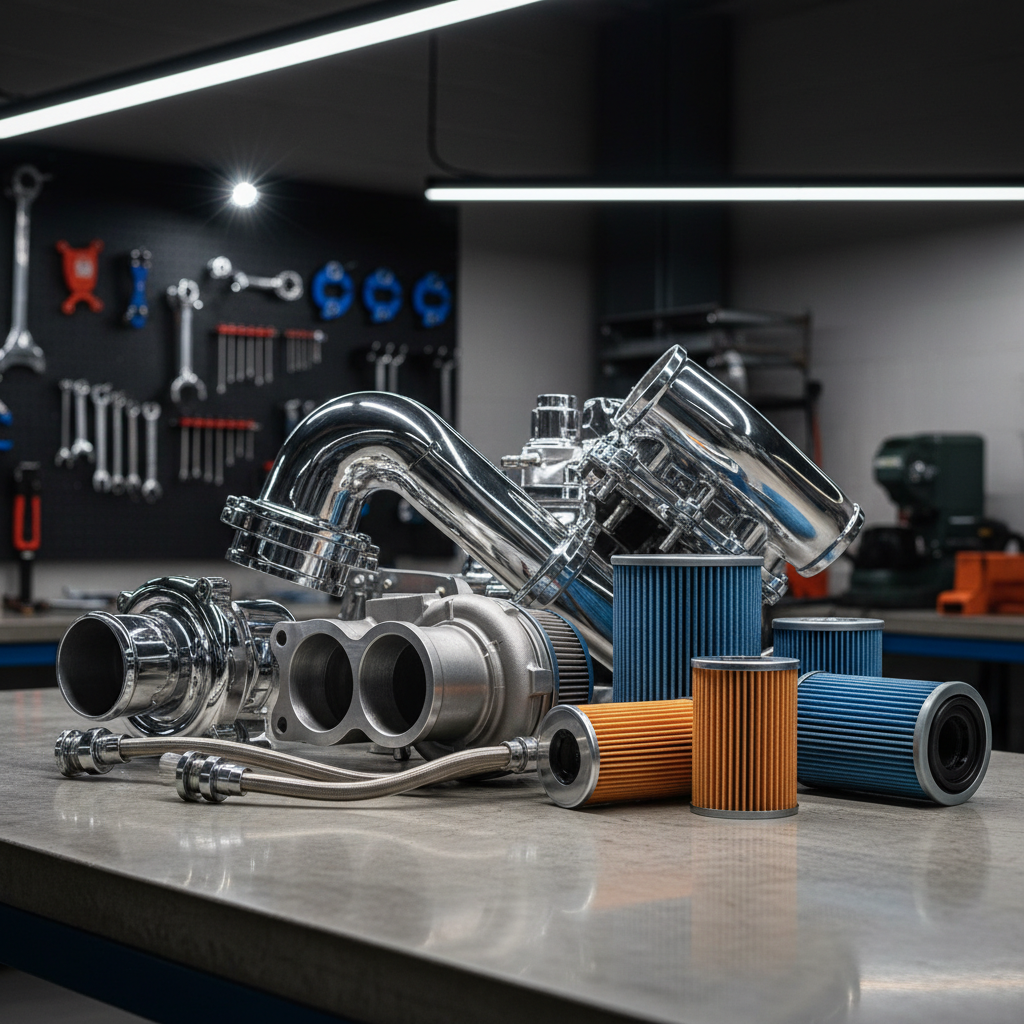
Every removable part comes out — filters, troughs, cups, baffles, and access panels. NFPA 96 compliance requires cleaning to bare metal. You can't clean what you can't reach.
Bare Metal Standard
Run your finger anywhere inside the hood after our service. If you find grease, we haven't finished. Every component is tagged, removed, and cleaned separately.
Degreasing
Chemical + mechanical.
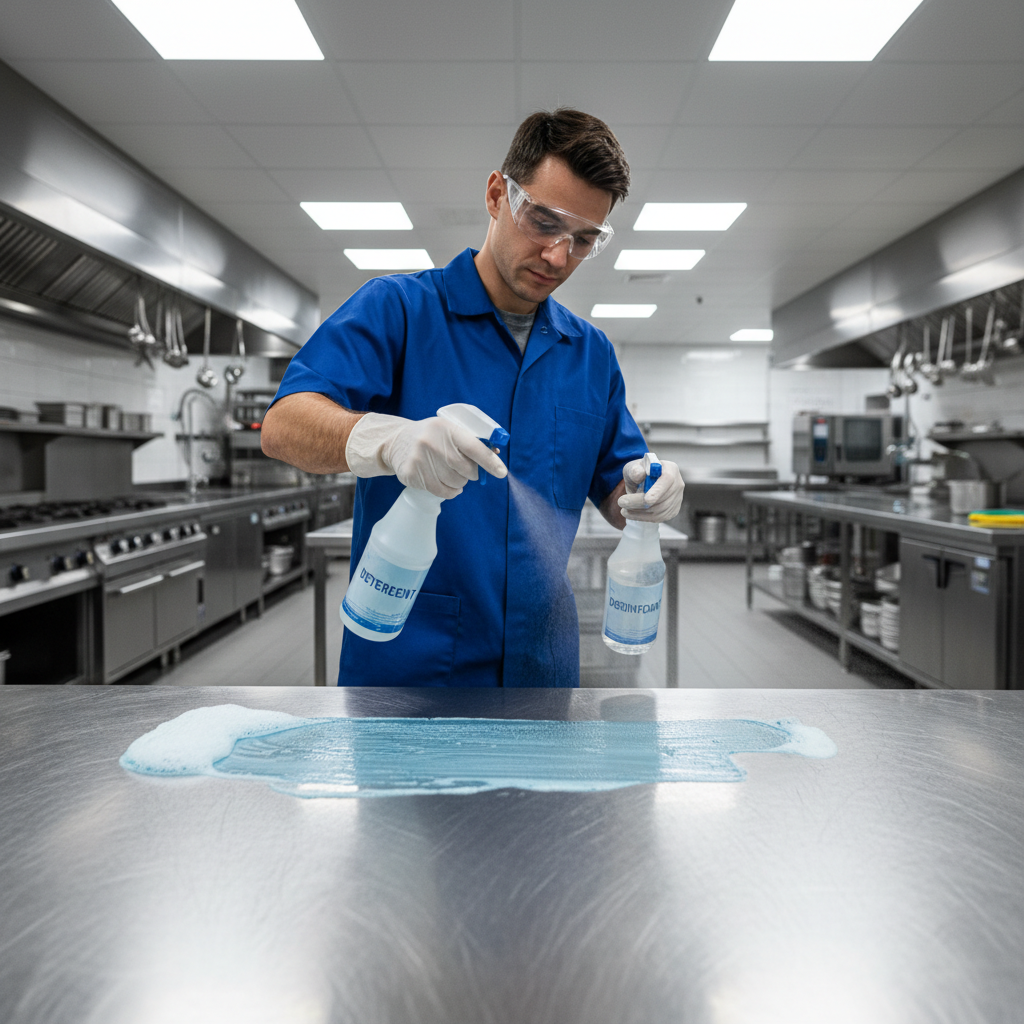
Industrial-grade degreasers dissolve carbonized layers. Hand scraping removes thick deposits in tight bends. Steam cleaning penetrates where spray bottles never reach.
Three-Method Approach
① Chemical soak breaks molecular bonds in carbonized grease ② Hand scrapers clear thick deposits from elbows and risers ③ Steam at 250°F melts residue from fan housings and blade roots.
Pressure Wash
High-pressure rinse.
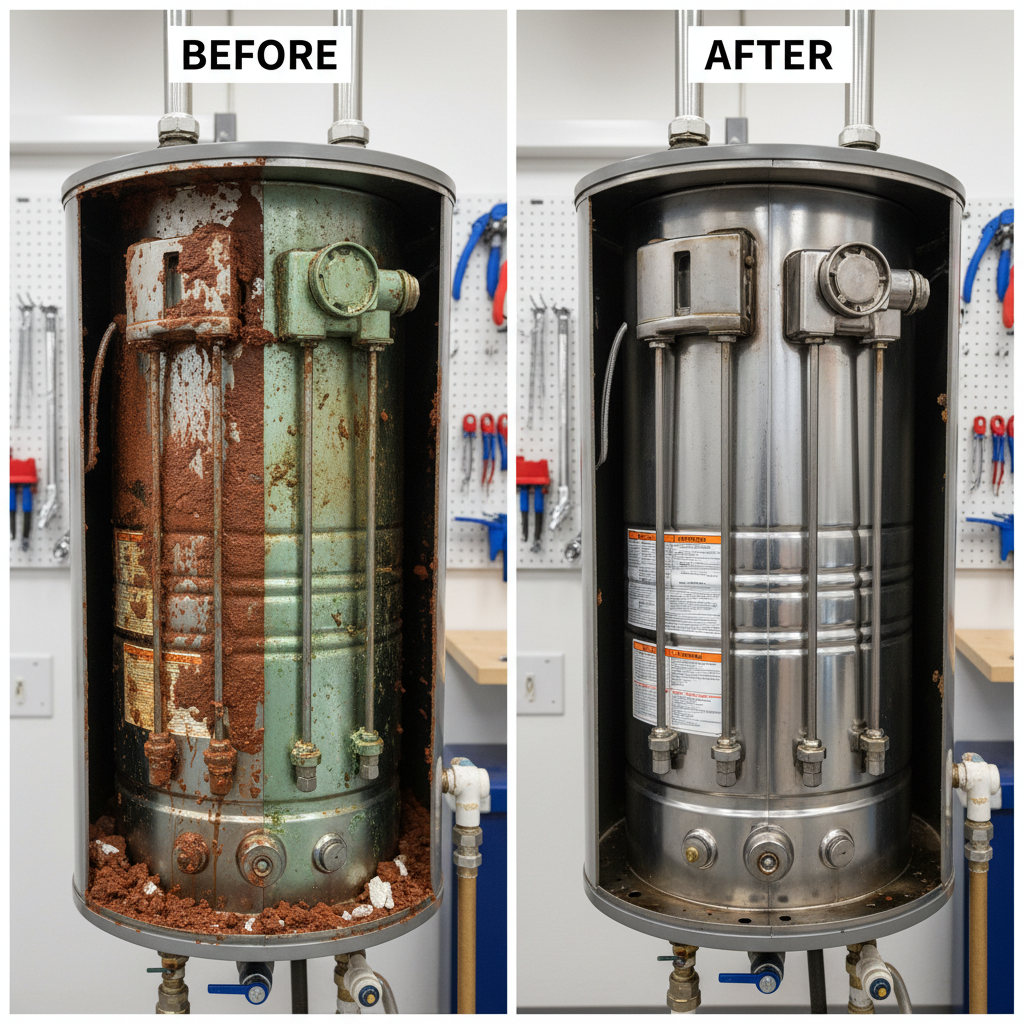
Hot-water pressure washing flushes all dissolved grease and chemical residue from the system. Containment barriers protect your kitchen floor. Every surface rinsed to bare metal.
Zero Residue
We contain all runoff — grease and chemical waste is captured, not flushed into your floor drains. Pressure at 3,000 PSI with 180°F water leaves surfaces clean enough to eat off.
Reassembly
Back together, better.
Components are reinstalled with inspection of gaskets, fan operation, and suppression nozzle clearance. Fan performance is tested before and after. Nothing goes back that isn't clean.
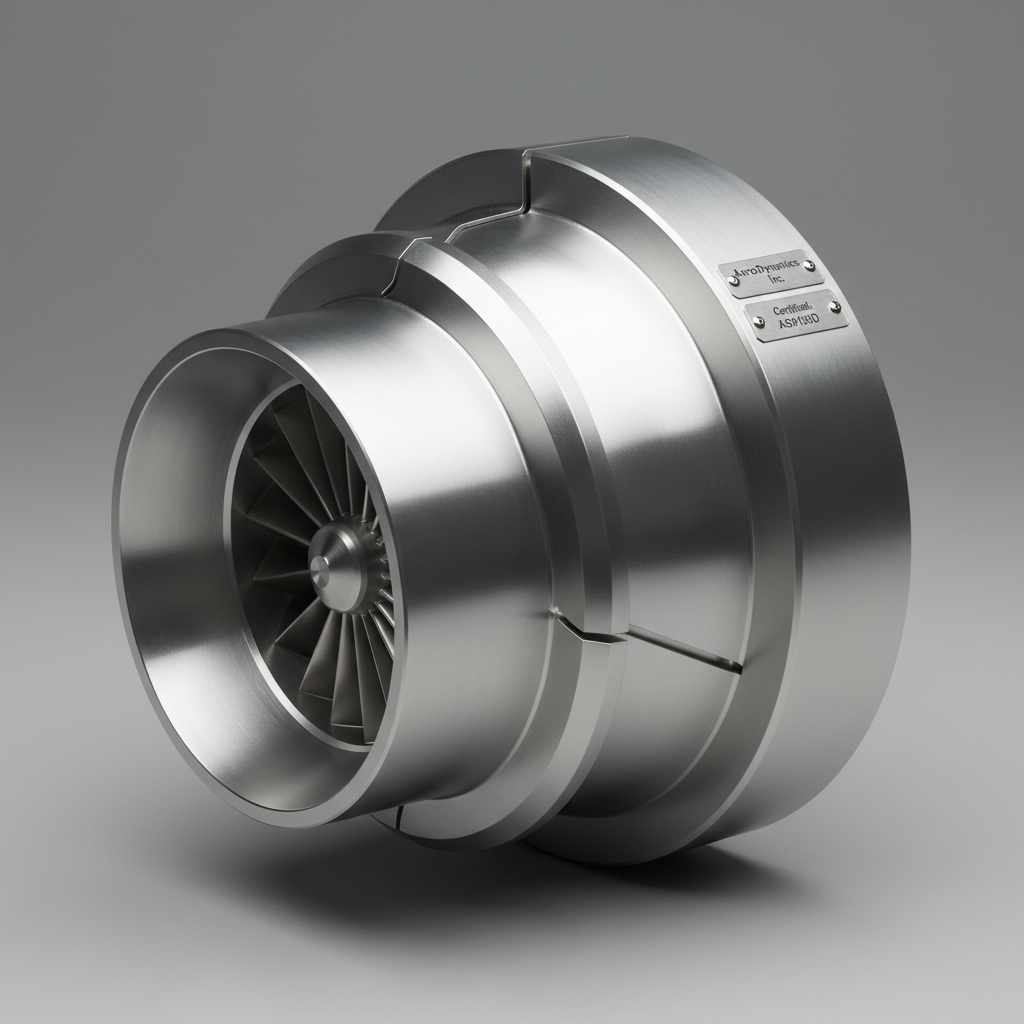
Fan Performance Check
NFPA 96 requires pre- and post-cleaning fan operation inspection. We verify CFM output, belt tension, bearing condition, and clearance to grease — and document all findings.
Certification
Documentation in hand.
You receive a dated service sticker, before/after photo documentation, and a signed NFPA 96 compliance certificate — everything your fire marshal, insurer, and health inspector needs to see.
What You Receive
① Dated NFPA 96 service certificate ② Before/after photo report of all duct sections ③ Hood cleaning sticker with next service date ④ Insurance-ready documentation package.
Built for operators
who can't afford failure.
Inspection next Tuesday.
Fire marshals and health departments don't accept "we've been meaning to." If your last cleaning wasn't certified and documented, you're operating on borrowed time. We clear your backlog before the inspector arrives.
Multi-kitchen campuses.
Hospital cafeterias, university dining halls, and corporate food service require coordinated scheduling that doesn't interrupt operations. We work overnight, on weekends, and across multiple hoods in a single deployment.
20 locations. One contract.
Franchise groups need consistent documentation across every location for corporate compliance audits. We manage rotating quarterly schedules, unified reporting, and a single point of contact for all your locations.
Documentation that
holds up in court.
Fire marshals, insurers, and health inspectors require specific evidence. We produce it — every time, for every hood, at every location.
NFPA 96 Certification
Every service produces a signed compliance certificate referencing NFPA 96 standards — accepted by fire marshals, insurance adjusters, and health departments nationwide.
Every client who presented our documentation at a fire marshal inspection passed. No exceptions. No call-backs.
Photo Documentation
Before-and-after photographs of every duct section, fan housing, and filter bank. Time-stamped. Archived. Available for your insurance file.
Inspection tomorrow? We've cleared compliance backlogs for restaurants with 24-hour notice. Call before you reschedule.
Fire marshal walked in, looked at the certificate and photos, and walked out. First time in three years we've had zero violations.
We manage 14 locations across two states. Degrease handles all of them on a rotating quarterly schedule. One invoice, one contact, zero compliance gaps.
Stop running on
borrowed compliance.
Fill out the form below. We'll confirm your service window within 4 business hours and send a pre-service compliance checklist.
Schedule Your Inspection
Free Compliance Checklist
Download our NFPA 96 compliance checklist — the same one fire marshals use. Know exactly what they're looking for before they arrive.